

Unplated Zinc Penny
Filters
Frequently Asked Questions
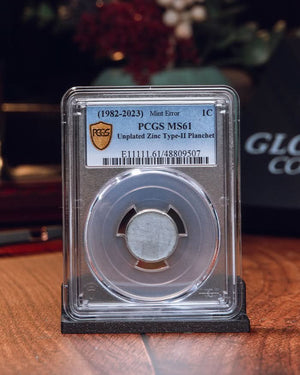
What causes an unplated zinc penny?
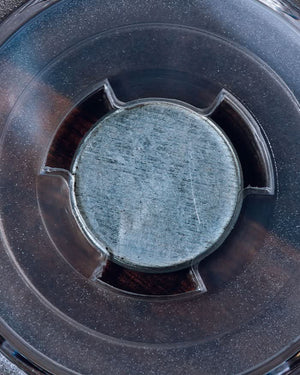
Since 1982, U.S. pennies have been zinc cores with a thin copper plating. An unplated zinc penny occurs when a zinc planchet enters the striking press without receiving its copper coating — a genuine U.S. Mint production error. The result is a striking silver-colored penny that looks nothing like a normal cent.
How much is an authenticated unplated zinc penny worth?
Certified unplated zinc pennies typically sell for $50 to several hundred dollars depending on the year, condition, and whether it's a partial or full plating miss. NGC or PCGS authentication is critical because chemically stripped pennies (worth nothing) are common and can fool untrained eyes.
How can I tell a real unplated zinc penny from a fake?
Genuine unplated zinc pennies show consistent silvery-zinc coloring with sharp strike details, while chemically stripped fakes often show uneven surfaces, pitting, or residual copper traces. The only reliable method is NGC or PCGS certification — their experts examine each coin under magnification to confirm the error is a genuine mint product.
RELATED ARTICLES

The 19-Piece Burnished Silver Eagle Set: Four Years in the Making
A message from Stephen Pfeil, CEO of Global Coin GCB88 — 2006-2025 Burnished Silver Eagle 19-Piece Set, NGC MS70, Anna Cabral "Global Coin Series" Retail: $15,180 | Population: 10 sets only Toda...
Discover More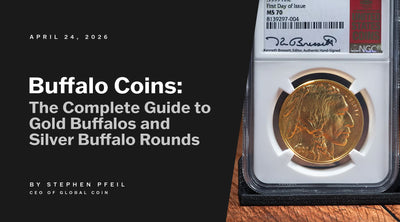
Buffalo Coins: The Complete Guide to Gold Buffalos and Silver Buffalo Rounds
Buffalo Coins: The Complete Guide to Gold Buffalos and Silver Buffalo Rounds Key Takeaways - The American Gold Buffalo is the first and only 24-karat (.9999 fine) gold coin ever produced by the U.S...
Discover More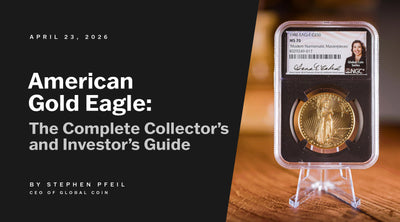
American Gold Eagle: The Complete Collector's and Investor's Guide
American Gold Eagle: The Complete Collector's and Investor's Guide Key Takeaways - The American Gold Eagle is the world's most recognized gold bullion coin — U.S. government-backed, globally liqu...
Discover More
Need More Assistance? Give Us A Call
Having issues finding the coin you want or do you just prefer to do business over the phone? Our expert customer service team is on standby to help you acquire the exact coins you need for your collection.


