

Unplated Zinc Penny
Frequently Asked Questions
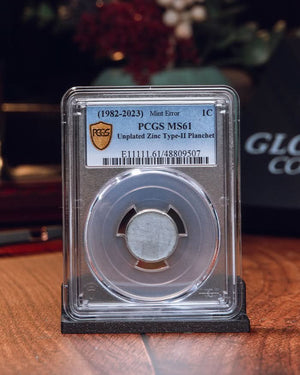
What causes an unplated zinc penny?
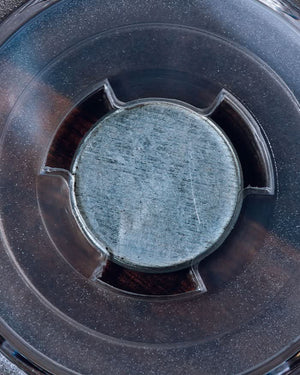
Since 1982, U.S. pennies have been zinc cores with a thin copper plating. An unplated zinc penny occurs when a zinc planchet enters the striking press without receiving its copper coating — a genuine U.S. Mint production error. The result is a striking silver-colored penny that looks nothing like a normal cent.
How much is an authenticated unplated zinc penny worth?
Certified unplated zinc pennies typically sell for $50 to several hundred dollars depending on the year, condition, and whether it's a partial or full plating miss. NGC or PCGS authentication is critical because chemically stripped pennies (worth nothing) are common and can fool untrained eyes.
How can I tell a real unplated zinc penny from a fake?
Genuine unplated zinc pennies show consistent silvery-zinc coloring with sharp strike details, while chemically stripped fakes often show uneven surfaces, pitting, or residual copper traces. The only reliable method is NGC or PCGS certification — their experts examine each coin under magnification to confirm the error is a genuine mint product.
RELATED ARTICLES

Remembering September 11: A Silver Tribute That Supports Tunnel to Towers
Some coins commemorate an achievement. Others ask us to remember a responsibility. Twenty-five years after September 11, 2001, that responsibility remains: to remember the lives lost, honor those w...
Discover More
Paper Promises vs. Physical Reality: Why China Just Shut Down Paper Gold
I’m Stephen Pfeil, founder of Global Coin. It has been almost two months since I published When The World's Biggest Banks Force Price Discovery On Gold, Pay Attention. In that piece, I warned you t...
Discover More
The 2026 Semiquincentennial 10-Piece Silver Proof Set: A Deep Dive Into America's 250th Anniversary
Key Takeaways The 2026 Semiquincentennial Silver Proof Set is the U.S. Mint's official commemoration of America's 250th birthday — the first Semiquincentennial in U.S. history. All ten coins are s...
Discover More
Need More Assistance? Give Us A Call
Having issues finding the coin you want or do you just prefer to do business over the phone? Our expert customer service team is on standby to help you acquire the exact coins you need for your collection.

