

The Evolution of Coin Design: History, Design, and Collectibility
In today’s world of digital transactions, physical coins and other forms of currency remain timeless treasures for collectors and investors. In America, the design and history of U.S. coinage hold deep national significance, reflecting the country’s heritage and values. Circulating coins—like...

In today’s world of digital transactions, physical coins and other forms of currency remain timeless treasures for collectors and investors. In America, the design and history of U.S. coinage hold deep national significance, reflecting the country’s heritage and values. Circulating coins—like the penny, nickel, dime, quarter dollar, and occasionally the half dollar—serve everyday commerce, while challenge coins and commemorative coins honor achievements and history. At Global Coin, we specialize in custom coins, including custom challenge coins for military units, organizations, and personal milestones.
Coin design has always blended function, art, and meaning. After the Revolutionary War, the need for a unified national currency led to the development of distinctive American coin designs. From ancient times to modern circulating coins, designs reflect cultural shifts. Circulating coins must be durable and practical, while custom challenge coins offer bold, personalized artistry. This post explores the journey of coin design, highlighting circulating coins, commemorative coins, and the rise of custom challenge coins.
Ancient Origins: The Birth of Coin Design and Early Circulating Coins

The first circulating coins appeared around 600 BCE in Lydia (modern Turkey), made from electrum. These early circulating coins featured simple symbols like lions or stars to denote value and authority.
In Ancient Greece and Rome, coin design grew more sophisticated. Greek circulating coins depicted gods and heroes, emphasizing civic pride. Roman circulating coins often showed emperors’ portraits, turning everyday money into propaganda tools.
These early circulating coins established key principles: obverse and reverse designs, edges for security, and metals like gold, silver, and pure copper for lasting value. Coin design ensured trust in circulating coins used in daily trade.
Medieval and Renaissance Advances in Coin Design

During the Middle Ages, circulating coins featured crosses, monarchs, and heraldic symbols to affirm faith and rule. Intricate edges prevented clipping, enhancing security in circulating coins.
The Renaissance elevated coin design to fine art. Engravers created realistic portraits and allegories on circulating coins. In the U.S., the Coinage Act of 1792 introduced circulating coins like the half dollar and dollar coins, often featuring Lady Liberty for national identity. The Act also established key denominations such as the eagle, half-eagle, and double eagle, with the eagle not only serving as a denomination but also as a prominent design motif on early U.S. gold coins. These gold coins became an important part of the new American currency system, reflecting both monetary value and artistic heritage.
Mints like the Philadelphia Mint and United States Mint standardized production, making circulating coins more uniform and detailed.
Industrial Era: Mass-Produced Circulating Coins

The 19th century brought steam presses, enabling detailed coin design on large-scale circulating coins. Icons like the Morgan silver dollar and Indian Head penny became everyday staples.
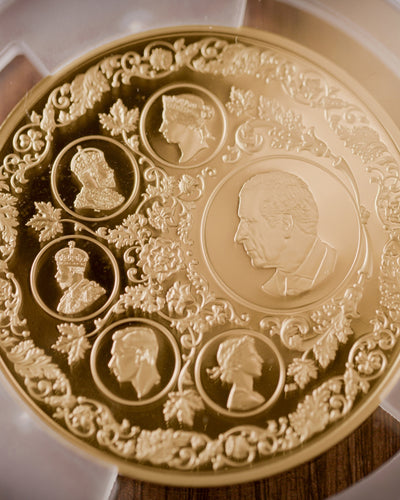
Commemorative coins emerged, such as the 1892 Columbian half dollar, differing from standard circulating coins by honoring specific events. While circulating coins focused on practicality, commemorative coins added narrative depth.
Denominations like the quarter dollar, nickel, and dime dominated circulating coins, with metals shifting from silver to copper-nickel for durability. The introduction of nickels, especially during the Civil War era, provided an affordable alternative to silver coins as the U.S. transitioned away from silver in most coins. Most coins from this era featured different designs, reflecting advances in minting technology and evolving artistic trends.
Modern Circulating Coins and the Rise of Custom Challenge Coins
Today, circulating coins include quarters, dimes, nickels, and limited dollar coins, produced by the United States Mint. Quarters are a key denomination, known for their evolving designs and historical significance. Each year, the United States Mint produces new coins, including special issues and updated designs for both circulation and collectors. Some modern coins feature a dual date, such as 1776~2026, to commemorate significant anniversaries. Designs feature figures like Abraham Lincoln on the penny or Thomas Jefferson on the nickel, with occasional updates for themes like the American Revolution or Civil War.
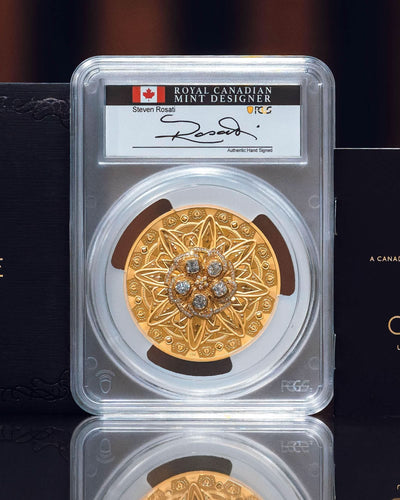
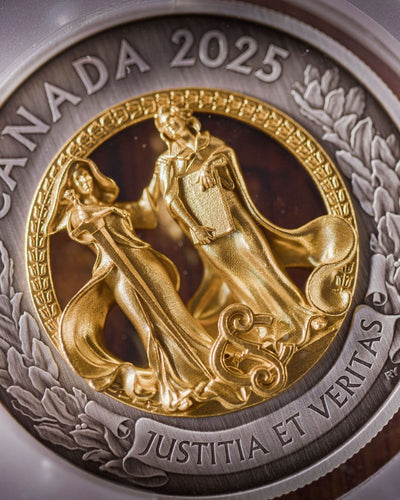
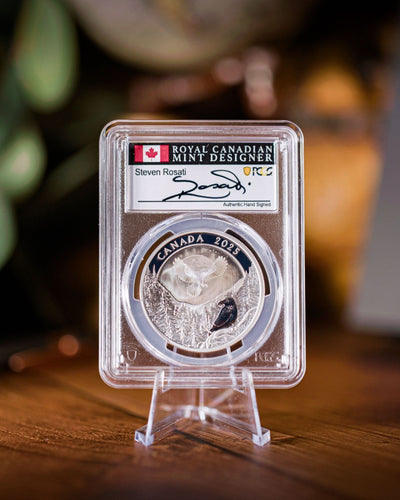
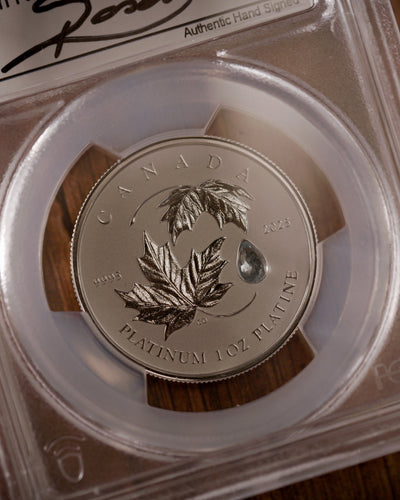
Commemorative coins and bullion coins appeal to collectors, often in precious metals like gold or silver. Proof versions add shiny gold or silver finishes. The San Francisco Mint is renowned for producing proof and special coins, while the West Point Mint produces bullion and collectible coins, often marked with their respective mint marks.
Custom challenge coins have exploded in popularity, especially military coins like navy challenge coins or FBI challenge coins. Unlike circulating coins, custom challenge coins are non-legal tender, designed for units, events, or own challenge coins. They feature hard enamel, soft enamel, 3D elements, add depth, and visual impact.
At Global Coin, we create custom coins and custom challenge coins with options like shiny gold plating, edge designs, and bulk orders. Many opt for own coins as perfect challenge coins for special occasions.
Production and Bulk Orders: How Coins Are Made and Distributed

The journey from concept to finished coin is a fascinating blend of artistry, precision, and advanced technology. At Global Coin, the production of custom challenge coins begins with your idea—whether you’re commemorating a military achievement, celebrating a corporate milestone, or marking a personal event. Our expert team collaborates with you to create custom coins that reflect your vision, offering a wide array of options in gold, silver, and other premium metals.
Using state-of-the-art minting techniques, we ensure each coin meets the highest standards of quality and detail. From the initial design phase to the final polish, every step is carefully managed to deliver coins with exceptional visual impact and durability. For those needing bulk orders, we provide competitive pricing and a quick turnaround, making it easy to create custom challenge coins for large groups or special occasions. Whether you’re looking for a handful of unique coins or thousands for a major event, Global Coin has the expertise and resources to bring your custom challenge to life—on time and within budget.
Who Designs Coins Today?

The United States Mint oversees circulating coins and commemorative coins, with committees approving designs. Private mints handle custom challenge coins, allowing anyone to create military coins or own challenge coins.
You can design your own coin through us—get a free quote for quick turnaround and high-quality finished coin.
Why Coin Design Matters for Value and Collectibility

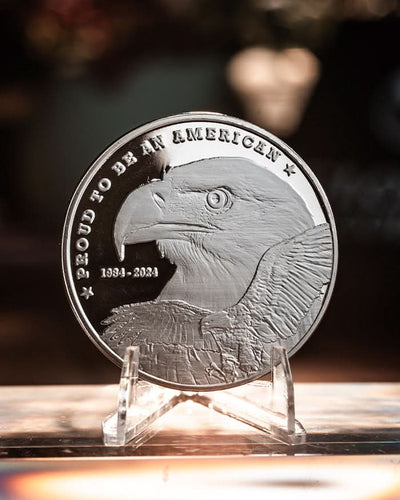
Exceptional coin design boosts desirability in circulating coins, commemorative coins, and custom challenge coins. Collectors seek coins with strong obverse design, reverse design, and details like eagles or liberty motifs.
Circulating coins in precious metals or with historical ties (e.g., World War II-era) hold extra appeal. Custom challenge coins offer personalization, making them collectible heirlooms.
VII. The Future of Coin Design
Innovations like color, high-relief, and dual dates will enhance circulating coins and custom coins. Hybrid digital-physical collectibles may emerge.
Coin design remains the soul of every piece, from everyday circulating coins to bespoke custom challenge coins.
Q&A: Key Questions on Coins
How have circulating coins evolved? From hammered metals to modern clad circulating coins, with designs reflecting history and government oversight.
What distinguishes circulating coins from commemorative coins? Circulating coins are for daily use (e.g., quarter dollar, nickel); commemorative coins honor events and are collectible.
Can I create custom challenge coins? Yes! We specialize in custom coins, including military coins and own challenge coins.
What about challenge coins? Challenge coins and custom challenge coins build camaraderie—far beyond standard circulating coins.
Final Thoughts from Stephen Pfeil
Great coins—whether circulating coins, commemorative coins, or custom challenge coins—combine rarity, condition, and outstanding coin design. They hold history, value, and personal stories.
Invest in coins with soul. Explore our selection of premium custom coins and custom challenge coins today.
Related Articles

Paper Promises vs. Physical Reality: Why China Just Shut Down Paper Gold
I’m Stephen Pfeil, founder of Global Coin. It has been almost two months since I published When T...
Discover More
The 2026 Semiquincentennial 10-Piece Silver Proof Set: A Deep Dive Into America's 250th Anniversary
Key Takeaways The 2026 Semiquincentennial Silver Proof Set is the U.S. Mint's official commemora...
Discover More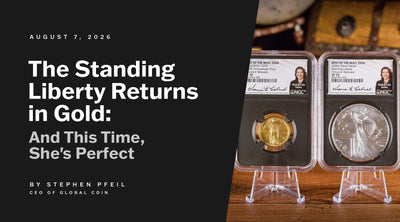
The Standing Liberty Returns in Gold — And This Time, She's Perfect
The Standing Liberty Returns in Gold — And This Time, She's Perfect There are coins you collect, ...
Discover More

Leave a comment
This site is protected by hCaptcha and the hCaptcha Privacy Policy and Terms of Service apply.