

How to Spot a Counterfeit Proof Coin in the Market
How to Spot a Counterfeit Proof Coin in the Market In the world of numismatics, few things hold the allure of a proof coin. With their liquid-mirror fields, frosted devices, and razor-sharp details, they are the “trophy assets” of the...

How to Spot a Counterfeit Proof Coin in the Market

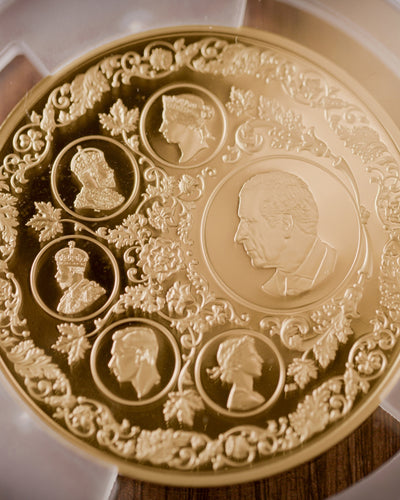
In the world of numismatics, few things hold the allure of a proof coin. With their liquid-mirror fields, frosted devices, and razor-sharp details, they are the “trophy assets” of the coin world. However, this high value and associated cost make them a prime target for forgers. Proof coins often come with a certificate of authenticity, which adds to their value and collectability.
As the numismatic market grows—projected to reach over $43 billion globally by 2034—the sophistication of counterfeit coins has evolved alongside it, mirroring advancements in coin production. It is no longer just about crude lead fakes; today’s market is flooded with deceptive alterations and high-tech counterfeits that can fool even intermediate collectors.
Whether you are a seasoned investor or a hobbyist, knowing how to spot a counterfeit proof coin and distinguish it from a real coin is the single most important skill you can develop to protect your wealth. Proof coins are produced to a higher standard than coins intended for circulation, which are made for everyday transactions.
This guide will take you deep into the anatomy of a proof, the tricks forgers use, and the forensic steps you can take to verify your collection. Experienced coin dealers play a crucial role in authenticating rare coins and helping customers avoid counterfeit purchases.
1. Anatomy of an Asset: What Exactly is a Proof Coin?

To catch a fake, you must first understand the genuine article. A common misconception among new collectors is that “Proof” refers to the condition of the coin. It does not. Proof is a method of manufacture, not a grade. When compared to uncirculated coins, proof coins typically exhibit higher quality, superior presentation, and often command higher premiums due to their meticulous production process.
How to determine if a coin is a proof? Look for these three manufacturing characteristics and common errors that counterfeiters struggle to replicate perfectly:
-
The Planchet (The Blank): Before striking, the metal disc (planchet) is polished to a high sheen. This creates the foundational “mirror” effect. Coins can be made from various alloys, such as bronze, which is commonly used for coins, sculptures, and decorative objects.
-
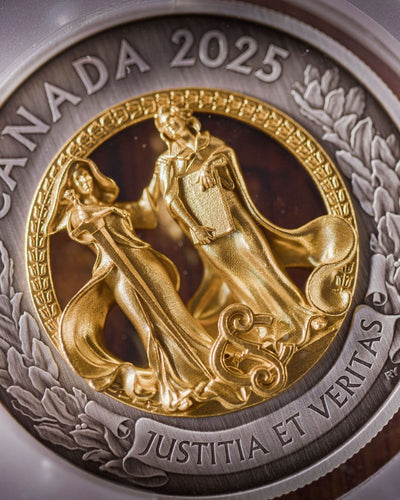
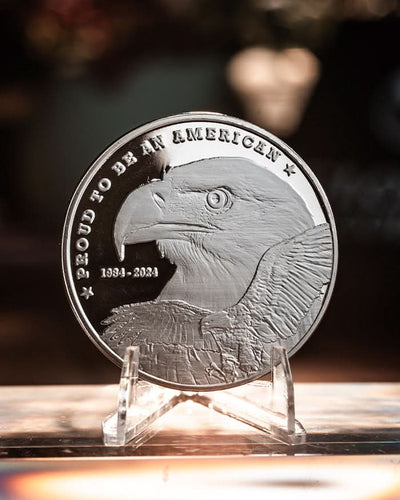
The Dies: The dies used to strike proof coins are specially treated. The background fields are polished to a mirror finish using specially polished dies, while the design elements (the head, the eagle, the date) are often sandblasted or acid-etched to create a frosted, matte finish. This contrast is known as the Cameo effect.
-
The Strike: Proof coins are struck at least twice, at higher pressure and slower speeds than business strikes. This ensures every minute detail of the die is transferred to the metal, resulting in “squared-off” rims and incredibly sharp lettering.
Keyword Check: When looking for proof in coins, you are looking for evidence of this specific manufacturing process, not just a shiny surface.
2. The Counterfeit Spectrum: Types of Fakes
Not all counterfeit coins are created equal. They generally fall into two categories: Fabrications and Alterations. Uncirculated coins are another category often confused with proof coins; however, uncirculated coins are produced specifically for collectors and are not intended for circulation.
Fabrications (Outright Fakes)
These are coins created from scratch by counterfeiters.
-
Die-Struck Counterfeits: The most dangerous type. Forgers create their own dies using spark erosion or transfer lathes. While high quality, they often lack the "crispness" of a genuine mint product.
-
Cast Fakes: Molten metal is poured into a mold. These are easier to spot as they often have a "soapy" or bubbly texture and lack the sharp edge definition of a genuine proof.
Alterations (The Deceptive "Polished" Coin)
This is the most common trap for proof coins. A scammer takes a genuine, standard "business strike" coin and polishes the background to make it look like a proof.
-
The Danger: The coin is made of the correct metal and has the correct date, so it passes a weight and magnet test.
-
The Tell: Polishing removes metal. It lowers the relief and creates unnatural, hairline scratches (whizzing) rather than a true mint mirror.
3. Step-by-Step: How to Detect Counterfeit Coins

If you are asking “How can I verify a coin?” or “How to detect counterfeit coins?”, follow this four-point forensic inspection, as it will make it almost impossible for counterfeit coins to go unnoticed.
First, check the coin’s details and compare them to official mint specifications. Some proof coins were historically available at face value, but now command premiums due to their rarity and special production. Pay close attention to the date and design—collectors should look for variations such as large date and small date on certain proof coins, as these can affect value and collectability.
Second, examine the coin’s finish and presentation. A genuine proof coin will display exceptional shine and luster, hallmarks of a new coin with superior craftsmanship. Proof sets, which are collections of specially struck coins, are often presented in special packaging such as flat pack envelopes (introduced around 1955) or commemorative cases. Special packaging, including distinctive outer boxes or themed presentation cases, adds value and appeal for collectors.
Third, assess the coin’s weight, diameter, and thickness using precise tools. Authentic proof coins will match the mint’s published specifications.
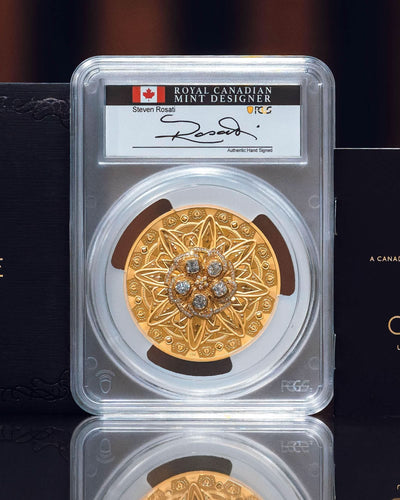
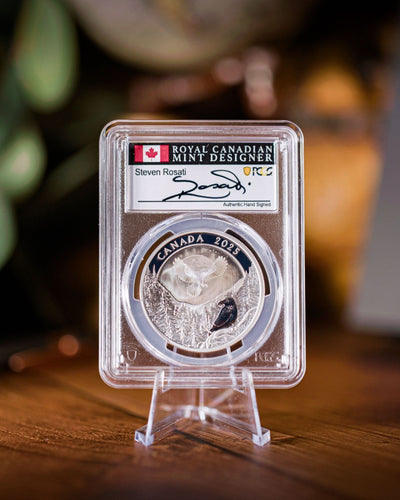
Finally, consider professional authentication and grading services, such as NGC, for added assurance of authenticity and value.
Step 1: The Rim Inspection
This is often the fastest giveaway.
-
Genuine Proof: Because proofs are struck twice under high pressure, the metal fills the collar completely. This creates a sharp, squared-off wire rim. It feels distinct to the touch.
-
Business Strike/Fake: Standard coins often have a slightly rounded or beveled rim. If a coin is shiny but has a rounded rim, it is likely a polished business strike masquerading as a proof.
Step 2: The Loupe Test (Magnification)
Using a 10x or higher jeweler's loupe, inspect the surfaces.
-
Flow Lines: Business strike coins have microscopic "flow lines"—radial lines moving outward from the center caused by the metal flowing under a single strike. Genuine proof coins generally do not have flow lines; their fields should be smooth glass.
-
"Mushy" Details: Look at the highest points of the coin (hair strands, eagle feathers). On a fake, these areas often look soft or undefined. On a genuine proof, they should be razor-sharp.
Step 3: The Reflection Test
Hold the coin about 6 inches away from a printed page (like a newspaper).
-
Genuine Proof: You should be able to read the headline in the reflection of the coin's field. The clarity is absolute.
-
Polished Fake: The reflection will be distorted, wavy, or "greasy" due to the abrasive polishing wheel used to fake the shine.
Step 4: Weight and Dimensions
Counterfeit coins often use slightly different alloy mixtures which affects density.
-
Get a Digital Scale: Weigh the coin to the hundredth of a gram (e.g., 26.73g for a Morgan Dollar).
-
Use Calipers: Check the diameter and thickness. A cast fake might be slightly thicker to compensate for a lighter base metal.
Market Risks: Navigating the Dangers of Counterfeit Coins

The numismatic market offers exciting opportunities for collectors and investors, but it also comes with significant risks—chief among them, the threat of counterfeit coins. With millions of fake coins circulating globally, even experienced collectors can find it challenging to distinguish a genuine coin from a sophisticated fake. The consequences of acquiring a counterfeit coin can be costly, impacting both the value of your collection and your confidence in future purchases.
Counterfeit coins are not limited to obscure or rare issues; they often target the most popular segments of the market. Bullion coins, such as gold coins and silver coins, are especially attractive to counterfeiters due to their precious metal content and high demand among investors. Fake bullion coins may look nearly identical to authentic pieces, but often lack the correct weight, silver content, or gold purity. This makes it essential to verify the authenticity of any bullion coins you purchase, especially when investing significant sums.
Proof coins are another prime target for counterfeiters. Because most proof coins are produced in limited mintages and feature a distinctive production process, they command a premium among collectors. Unfortunately, this also means that fake proof coins—created to mimic the mirror finish and sharp details of genuine proofs—are frequently offered in the market. Without proper authentication, collectors risk paying a premium for a coin that holds little to no real value, making them susceptible to the schemes of criminals.
Beyond the risk of acquiring a fake coin, the numismatic market is influenced by several other factors. The value of coins can fluctuate based on market demand, changes in precious metal prices, and the rarity of specific mintages or denominations. The production process itself—such as whether a coin was struck as a proof, an uncirculated coin, or a standard business strike—can greatly affect both desirability and price. Coins with low mintages or unique production features often become highly sought after, increasing their value but also making them more likely targets for counterfeiters; these are prime examples of why authentication is crucial.
4. Specific Threats: What is the Most Faked Coin?

When asking “What is the most faked coin?”, the answer depends on the era, but there are usual suspects you must be wary of.
-
The 1916-D Mercury Dime: While not always a proof, this is the “King” of US counterfeits. Fakes often involve adding a “D” mint mark to a Philadelphia coin.
-
Trade Dollars (1873-1885): These were heavily counterfeited in Asia. Many “Proof” Trade Dollars appearing online are actually high-quality transfer die fakes.
-
Peace Dollars: Peace dollars are highly susceptible to counterfeiting due to their popularity and value. Coin dealers frequently encounter fake Peace dollars, so verifying authenticity is essential before purchasing.
-
**Modern Bullion:**How to spot a fake 1 coin? (Referring to $1 Silver Eagles or £1 coins).
-
Fake £1 Coins: Look for poor alignment between the two metal colors and blurry edge lettering.
-
Fake Silver Eagles: Counterfeiters often sell “Proof” American Eagles that are actually silver-plated base metal. The magnet test is crucial here—if it sticks to a magnet, it’s fake.
5. The Threat of "Slabbed" Fakes
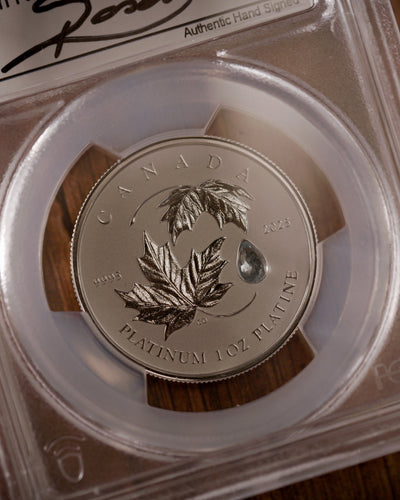
Historically, buying a coin in a grading holder (slab) from PCGS or NGC was a guarantee of authenticity. However, sophisticated counterfeiters are now faking the plastic holders themselves.
-
Check the Cert Number: Always type the certification number into the NGC or PCGS verification app.
-
Compare the Images: The verification apps provide high-res images of the actual coin. Compare the placement of bag marks or toning spots. If the coin in your hand looks "cleaner" than the official photo, the holder is likely a fake containing a counterfeit coin.
Conclusion: Trust, But Verify
The market for proof coins is lucrative, which means the incentive for fraud will never disappear. By understanding the manufacturing difference between a proof and a business strike, and by using simple tools like a loupe and a scale, you can insulate yourself from the vast majority of scams.
Key Takeaway: A proof coin is defined by its creation, not its shine. Look for the squared rims, the lack of flow lines, and the deep cameo contrast. If a deal looks too good to be true, it's not a bargain—it's a trap that counterfeiters often attempt to lure unsuspecting collectors into.
Quick Verification Checklist
-
Rim Check: Is it sharp and squared (Proof) or rounded (Business)?
-
Magnet Test: Does it stick? (If yes, it's fake—unless it's a 1943 steel penny).
-
Weight Check: Does it match official mint specifications?
-
Reflection: Can you read text in the mirror field?
-
Certification: Does the serial number match the database image?
Related Articles
Paper Promises vs. Physical Reality: Why China Just Shut Down Paper Gold
I’m Stephen Pfeil, founder of Global Coin. It has been almost two months since I published When T...
Discover More
The 2026 Semiquincentennial 10-Piece Silver Proof Set: A Deep Dive Into America's 250th Anniversary
Key Takeaways The 2026 Semiquincentennial Silver Proof Set is the U.S. Mint's official commemora...
Discover More
The Standing Liberty Returns in Gold — And This Time, She's Perfect
The Standing Liberty Returns in Gold — And This Time, She's Perfect There are coins you collect, ...
Discover More

1 comment
I found this to be an excellent article to raise awareness on counterfeit coins. I learned about some aspects to consider when evaluating proof coins that I did not know that much about before reviewing this article. Keep up the good work in the industry and I look forward to future articles and the special offers you periodically make.
Mark
Leave a comment
This site is protected by hCaptcha and the hCaptcha Privacy Policy and Terms of Service apply.